

Natural England AMS Toolkit
Solent
Construct an easy to understand and accessible Toolkit for Harbour Authorities, Sailing Clubs and private mooring owners within the Solent
Background
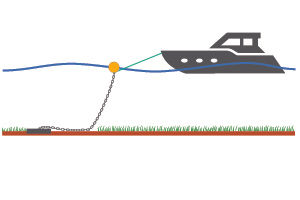
The extent of intertidal and subtidal seagrass is a key indicator of natural capital, supporting healthy plant and wildlife populations, cleaner water and climate regulation. Traditional swing moorings, the most common design in UK waters, consist of an anchor, chain and a float; as the tide rises and falls, the chain drags across the seabed, abrading seagrass and creating scars. Environmentally friendly alternatives can directly address this pressure on seagrass habitats.

The LIFE Recreation ReMEDIES project demonstrated the effectiveness of AMS in subtidal SAC sites, reducing seabed disturbance and supporting seagrass recovery, though the total number of damaging moorings across England remains unknown and better mapping is needed within Marine Protected Areas (MPAs), particularly in intertidal zones. The Solent Seascape Project, a long-term initiative to restore habitats across the Solent strait, may also consider alternative moorings as part of its recovery plan. To support this, an easy to understand toolkit is needed to help Harbour Authorities, Sailing Clubs and private mooring holders find the right AMS solution for their site. The project was financially supported by Natural England.
Objectives
To construct an easy to understand and accessible toolkit for harbour authorities, sailing clubs and private mooring owners that will:
Provide bespoke information on the options available for specific mooring locations
Provide information on factors to be considered for different environmental conditions in the Solent.
Provide information on AMS equipment background, design solutions (anchors and risers)
Provide guidance on maintenance processes and schedules
Provide a list of suppliers and manufacturers with contact information
Methodology
ABCS broke the installation process down into a series of stages, forming the framework for the toolkit. Given the wide range of readers, from experienced harbour authorities to first-time mooring owners, a full explanation of mooring types and systems was included so that everyone could progress through the later stages with the same level of understanding.
 |  |
Information, advice and examples were included throughout, to help stakeholders make informed choices, drawing on ABCS's own project experience alongside input from Natural England and equipment suppliers. This was presented so both experienced and inexperienced readers could reach a clear conclusion on the most suitable AMS solution for their location.
Conclusion
The AMS Toolkit was successfully developed to meet the objectives set out by Natural England, giving harbour authorities, sailing clubs and private mooring owners clear, accessible guidance on Advanced Mooring Systems. By covering site-specific mooring options, environmental factors, equipment and design solutions, maintenance schedules and a supplier directory, the Toolkit helps stakeholders move away from traditional swing moorings that damage seagrass beds. It has now been distributed widely, and its effectiveness will be judged by stakeholder uptake.
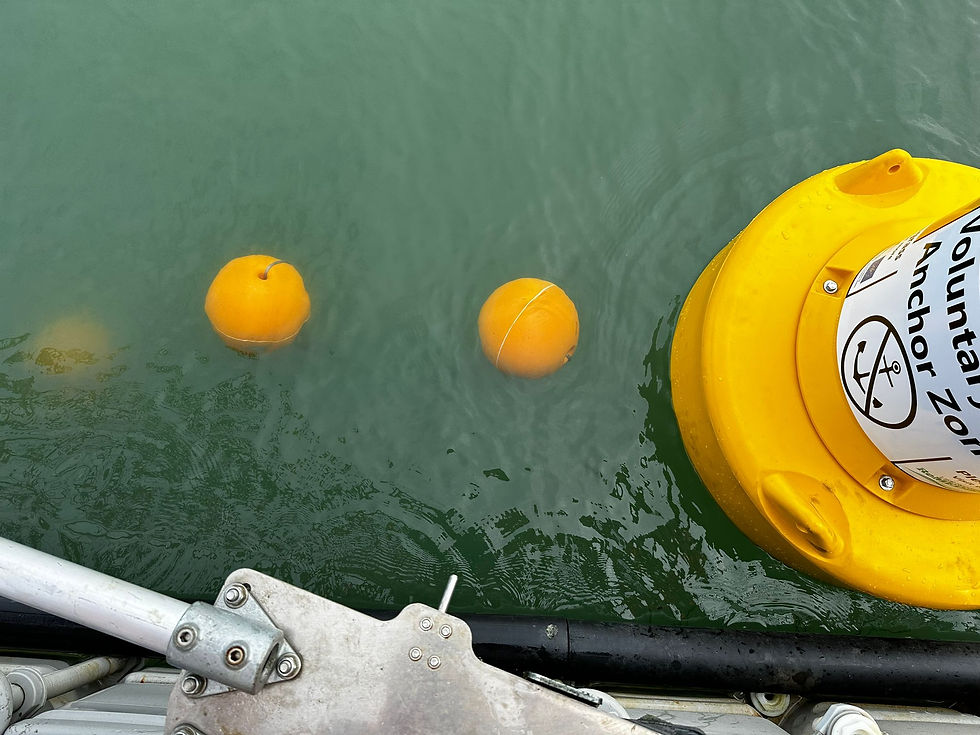
Developed with Natural England, the Toolkit uses text, photographs and graphics to keep technical subjects accessible to less experienced readers. Case studies from other Solent-based AMS projects, including Langston Harbour and Osborne Bay, offer real examples before contacting suppliers via the directory.
Power in Numbers
0
Moorings installed
90
Project Days
Project Gallery


